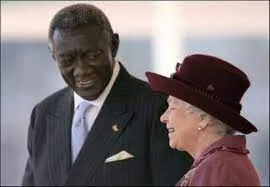
His Excellency
John Agyekum
Kufuor
2nd President of the Fourth Republic of Ghana
A Transformative Presidency
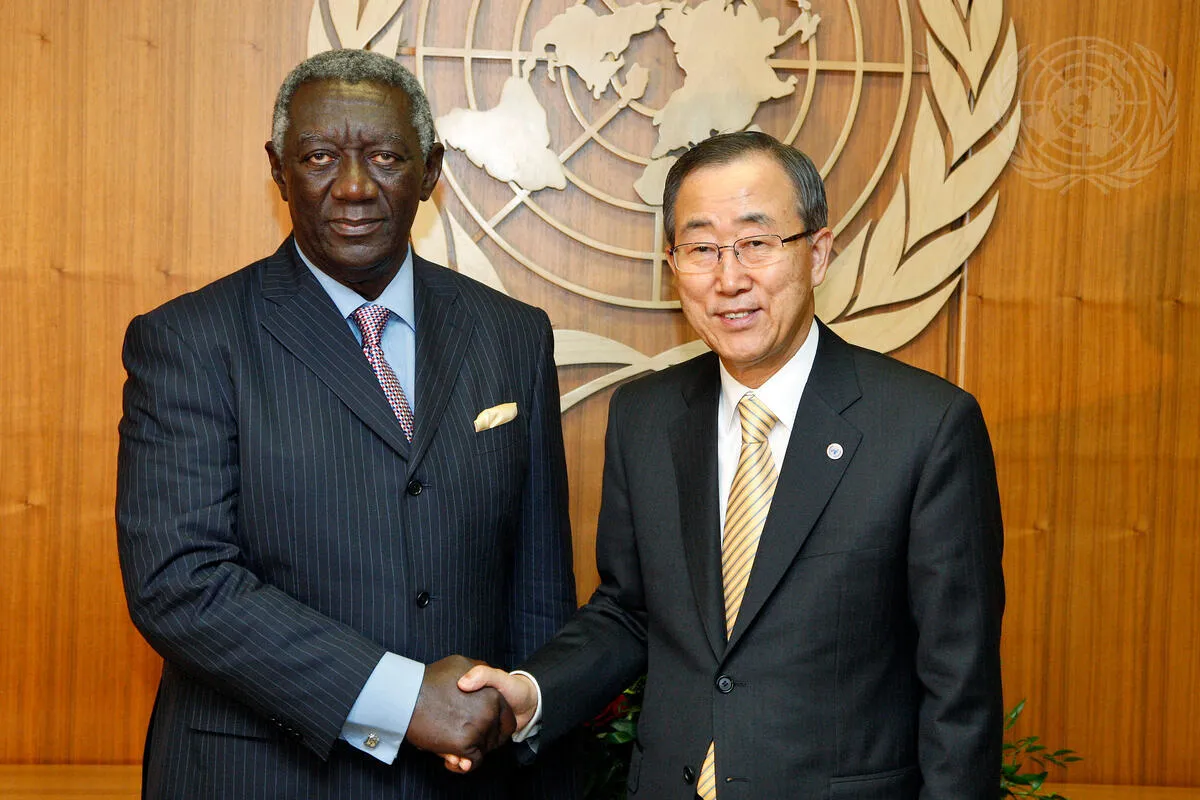
His Excellency John Agyekum Kufuor stands as one of Africa's most consequential democratic leaders. Elected in Ghana's first ever peaceful inter-party transfer of power in December 2000, he assumed the presidency on 7 January 2001 at a moment of acute economic crisis — and over eight years of principled, institution-respecting leadership, steered Ghana into a new era of prosperity, dignity, and international standing.
A lawyer by training, educated at Oxford and Lincoln's Inn, Kufuor brought to the office a deep reverence for the rule of law and the separation of powers. His administration completed the HIPC debt-relief process, drove inflation from above 40% to single digits, established the landmark National Health Insurance Scheme, abolished primary school fees, and launched the National School Feeding Programme — structural changes that improved the daily lives of millions.
"Development is not just about economic growth, but about improving the lives and dignity of our people."
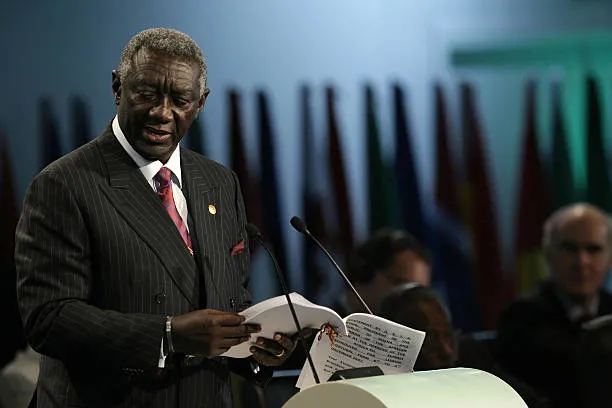
Beyond Ghana, President Kufuor served as Chairman of the African Union (2007–2008) and led ECOWAS peace-making efforts in Côte d'Ivoire, Liberia, and Sierra Leone. His gracious acceptance of electoral defeat in 2008 and smooth handover of power to the opposition has become a defining emblem of democratic maturity in Africa.
Presidential Timeline
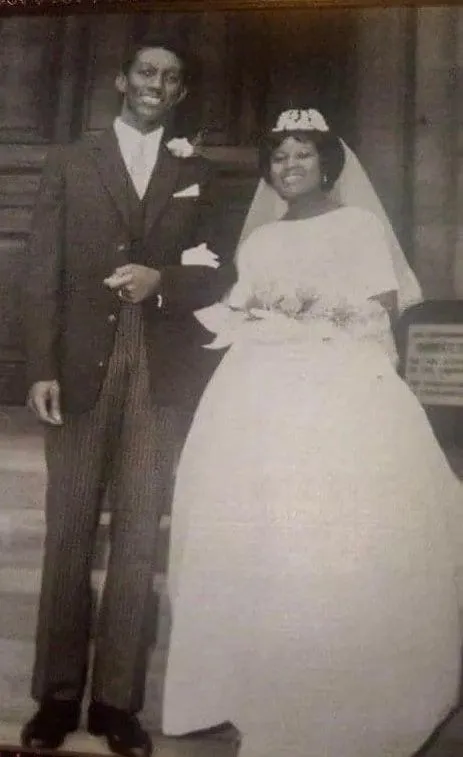
Born in Kumasi
Born into a distinguished Ashanti family in Kumasi, the historic capital of the Ashanti Kingdom, into the Oyoko royal clan.
Presidential Inauguration
Sworn in as Ghana's 2nd President of the Fourth Republic — the first peaceful inter-party transfer of power in Ghana's history.
National Health Insurance
Enacted the NHIS, abolishing the "cash-and-carry" system and extending healthcare coverage to over 11 million Ghanaians.
Education Reform
Abolished school fees through the Capitation Grant; launched the National School Feeding Programme reaching 1.2 million children daily.
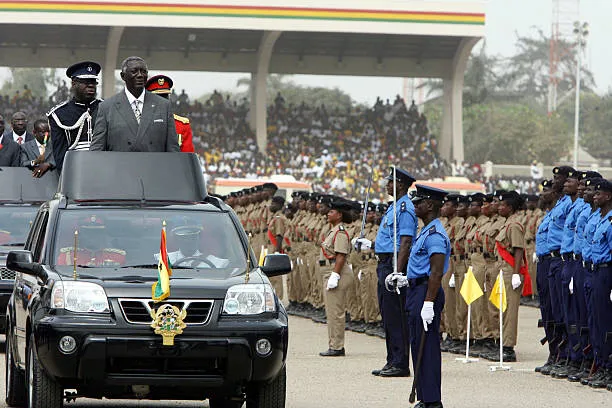
AU Chair & Ghana@50
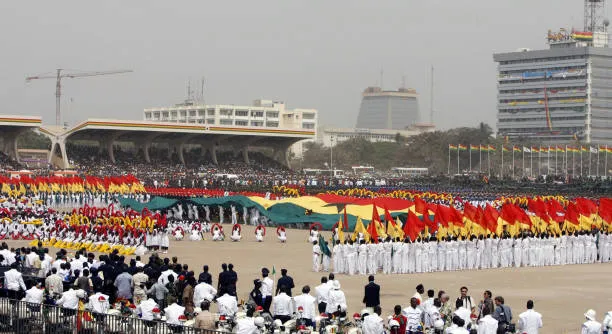
Elected African Union Chairman; presided over Ghana's 50th Independence Anniversary attended by 60+ world leaders.
World Food Prize
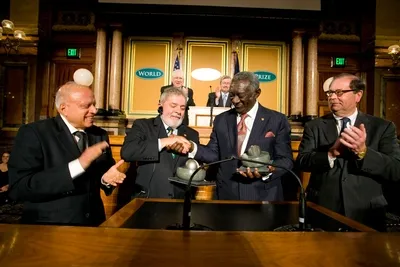
Awarded the World Food Prize — the "Nobel for food" — for reducing hunger and malnutrition in Ghana through landmark social programmes.
Presidential Achievements
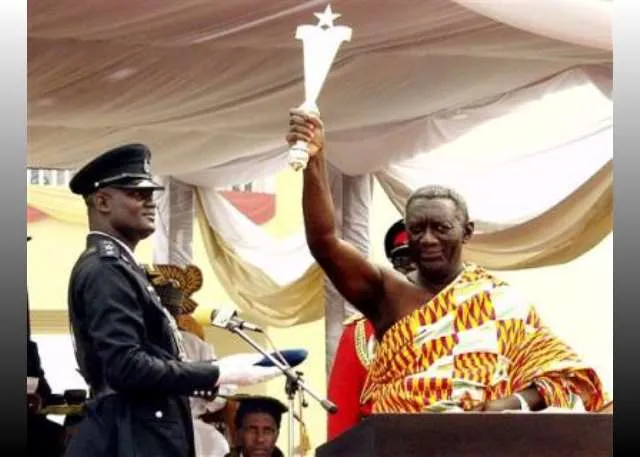
Democratic Governance
Strengthened Ghana's constitutional architecture, guaranteed press freedom, and oversaw two consecutive peaceful transfers of power — the first between rival political parties, the second relinquishing power to the opposition after electoral defeat in 2008.
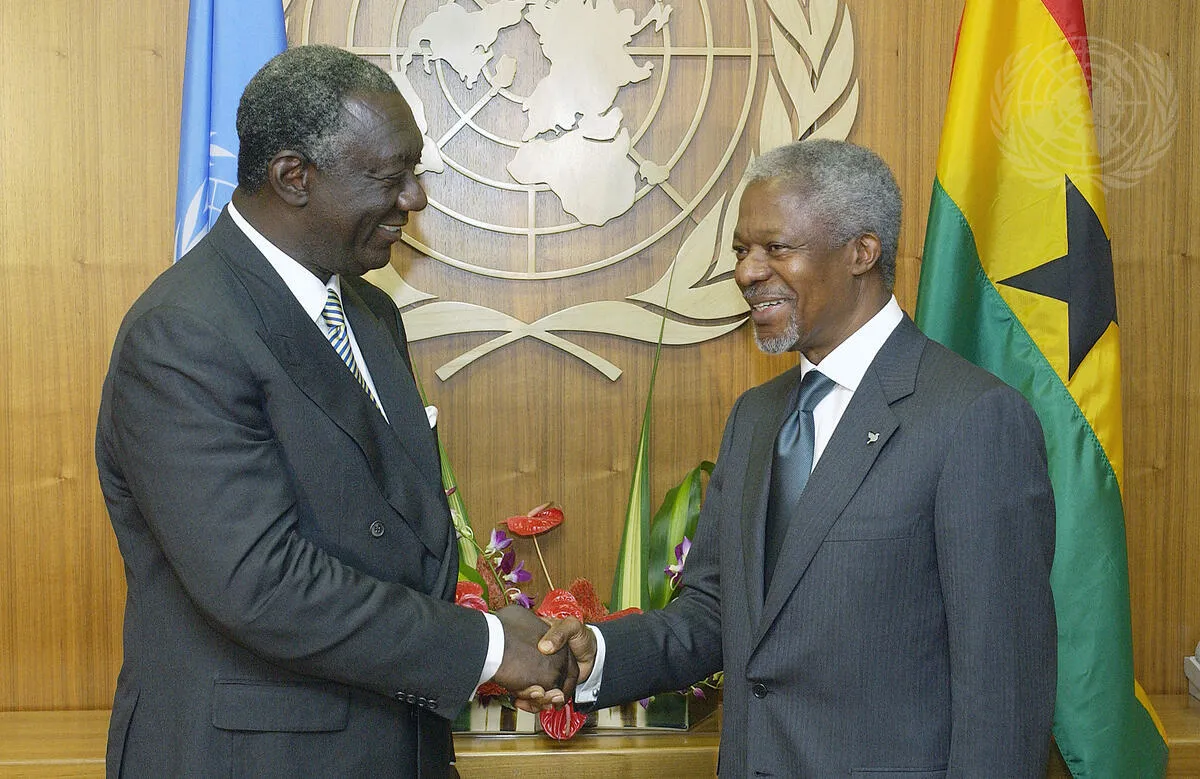
Economic Transformation
Completed the HIPC debt-relief initiative (2004), reduced inflation from above 40% to single digits, delivered 6% average annual GDP growth, liberalised telecommunications, and attracted transformative levels of foreign direct investment.
Healthcare Revolution
Enacted the National Health Insurance Act (2003), replacing the "cash-and-carry" system with comprehensive coverage for over 11 million Ghanaians, with pregnant women and children under five receiving free care.
Education Reform
Introduced the Capitation Grant abolishing basic school fees; launched the National School Feeding Programme reaching 1.2 million children daily; and massively expanded classroom infrastructure nationwide.
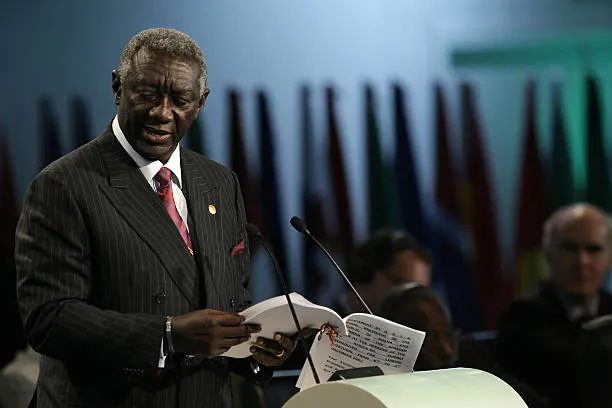
Continental Leadership
Served as African Union Chairman (2007–2008) and ECOWAS chair; championed NEPAD; and led Ghana's historic 50th Independence Anniversary celebrations, hosting over 60 heads of state and government.
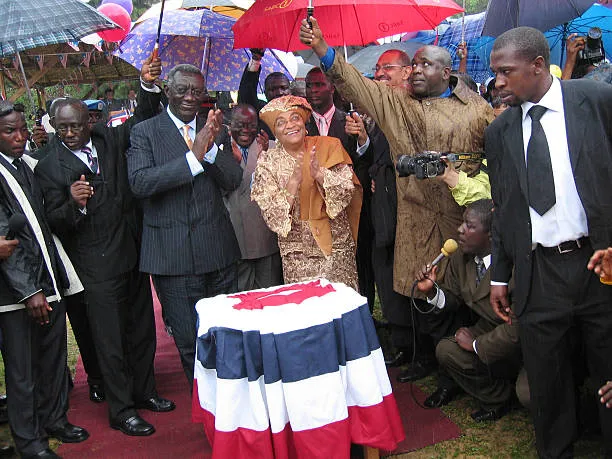
Regional Peacemaking
Mediated the Côte d'Ivoire political crisis, supported post-conflict reconstruction in Liberia and Sierra Leone, and contributed to Sudan peace efforts — earning global recognition as Africa's foremost honest broker.
"Ghana does not belong to any political party. Ghana belongs to all of us — the living, the dead, and those yet to be born. And we have a duty to every one of them."
— H.E. John Agyekum Kufuor, Farewell Address, 7 January 2009
.webp)